While the Scooby-Doo franchise is widely known for its “men in masks” and classic Gothic aesthetics, the 1998 film Scooby-Doo on Zombie Island subverts these familiar tropes through a distinctly Southern Gothic lens. By orchestrating an uncanny transition from domesticity to predation, and from mystery to horror, the film abandons the “safe” suspense of the original 1969 series Scooby-Doo, Where Are You!. Whereas the classic formula reflects a twentieth‑century desire to debunk the unknown, the monsters of Zombie Island embody a past that refuses to remain dormant. The “homey pet” is forced to confront the monstrous hybrid; Scooby-Doo’s warm, domesticated fear is suddenly set against the werecats—feline predators whose very existence suggests that in the Southern Gothic, the past has teeth.
The original series established the franchise’s iconic premise: four teenagers and their Great Dane, Scooby-Doo, traveling in a van to investigate local hauntings. It also relied on classic Gothic aesthetics—old, decaying mansions, creaking castles, thick silver cobwebs, and dark, fog‑shrouded forests. These familiar tropes helped build suspense and evoke a sense of “safe” fear. Alongside these Gothic elements, the trademark “Scooby-Doo ending” always culminated in an unmasking. The supernatural threat invariably dissolved, with every monster, ghost, and spirit revealed to be a human in disguise, and the group’s resident skeptic, Velma, debunking each mystery and exposing every supposed haunting as a scheme for profit. This repetitive cycle of unmasking functioned as a narrative safety net, ensuring that domestic order was restored by the end of each episode.
Scooby-Doo on Zombie Island premiered in 1998, redefining the franchise and introducing a whole generation to their first experience of genuine fright. Viewed today, the film casts its story and the writers’ intentions in a new light. It emerged during a transformative period—one of four movies created by a distinctive creative team that never collaborated in the same way again. Mook Animation, a Japanese studio working with Hanna-Barbera, gave the film a darker, more detailed aesthetic. In Zombie Island, not only were the monsters real, but the scares and the horror were visceral. The Mystery Gang reunites, driven by a desire for “some real ghosts” and a new mystery to solve. Their search leads them to New Orleans, Louisiana, a gorgeous yet ominous landscape and the birthplace of Southern Gothic.
The setting itself becomes another character in the story: Scooby ventures into the Louisiana bayou to reach Moonscar Island, a place steeped in mystery and hidden deep within a slow‑moving, secluded swamp. Moss‑draped trees, stagnant water, and an uncanny heaviness in the humid air create an atmosphere that feels immediately unsettling. Amid this stifling environment, the film quietly raises a question: Is this still a “children’s cartoon”? With the safety of a typical mystery stripped away, the setting signals the movie’s descent into a more mature and grotesque reality, one in which the environment itself feels predatory.
The film fully embraces the grotesque and supernatural elements of the genre, situating them in the American South, where “the past is never dead.” The zombies turn out to be real: the spirits of undead pirates and Confederate soldiers haunt Moonscar Island, seemingly driven by vengeance. Yet, in true Southern Gothic fashion, the true villain appears dignified and beautiful on the surface. The real horror lies not in the ghosts, zombies, or the wild, untamed swamp, but in what two seemingly gracious women do behind the closed doors of a grand mansion. Their horrific actions, the blood they spill, and the tragedy of their past form the film’s darkest core.
The transition on Moonscar Island is fundamentally uncanny. In the classic series, the uncanny is always resolved—the strange becomes familiar once the mask is removed. But here, Scooby-Doo, the “homey pet” and primary source of comic relief, witnesses the collapse of domestic order. As the Mystery Gang ventures deeper into the Louisiana swamp, the boundary between their safe world of mystery‑solving and the island’s raw, predatory reality begins to blur, signaling a shift into full Gothic survival horror.
Moonscar Island, once a plantation, is said to be haunted by the ghost of the pirate Morgan Moonscar. A mysterious woman, Simone Lenoir, and her cook, Lena, now inhabit a mansion filled with apparitions and shrouded in secrecy. The setting evokes a land steeped in blood, where the present is haunted by the repressed violence of the past. The ghosts rising from the bayou—undead Confederate and Union soldiers—embody the unresolved weight of Southern history, refusing to be forgotten.
While some critics argue that the film presents a whitewashed vision of the region—erasing the grim reality of slavery while exploiting romanticized tropes of the Plantation South in a Hollywood fashion—it nonetheless captures the Gothic weight of historical trauma. This complicated relationship with the plantation myth warrants closer examination. Although the setting draws on recognizable elements of Southern architecture—the isolated bayou, the lone aging mansion, the moss‑draped oaks—it arguably participates in a sanitized narrative of the region’s past. By establishing a simplified dichotomy between ostensibly “peaceful settlers” and “bloodthirsty pirates,” the film sidesteps the presence of enslaved people who would have historically labored on such plantation grounds.
Yet the production context of the era must be acknowledged. It is simply unrealistic to expect a 1990s Hanna-Barbera production—a studio long associated with lighthearted, formulaic “Saturday morning” animation—to directly confront the brutal legacy of slavery. Instead, the film translates the region’s historical trauma into a more palatable conflict that fits within the established boundaries of children’s entertainment. Even so, it manages to brush against the edges of a darker, more mature Gothic reality, using werecats as supernatural proxies for a history that the format and its characters were not equipped to portray.
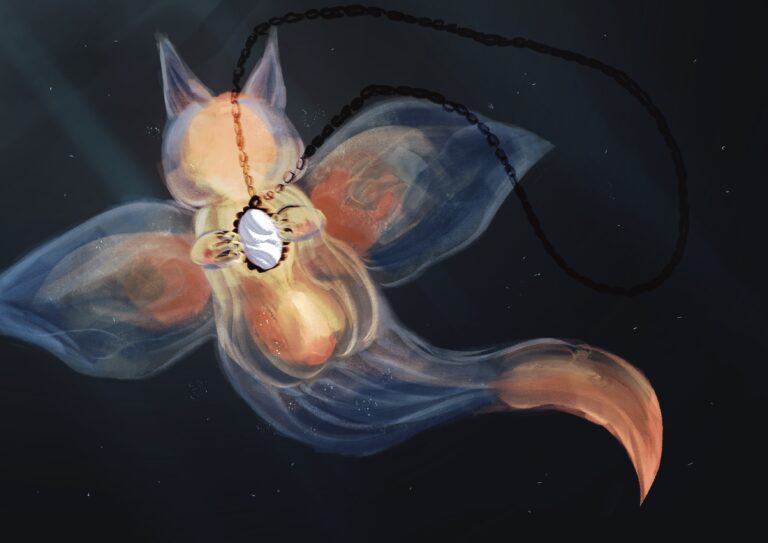
The folklore of the island mirrors local legends. The pirate Morgan Moonscar and his hidden treasure echo Louisiana’s historical figure Jean Lafitte, a notorious French privateer who built a vast smuggling empire in the early 1800s in Barataria Bay. Lafitte—an outlaw who sold smuggled goods to New Orleans merchants—remains a celebrated figure in local folklore. Likewise, the film’s villains draw on the Cajun werewolf, the Rougarou, a mythical half‑man, half‑beast said to stalk the bayou, known in local lore for its predatory gaze and glowing red eyes. On Zombie Island, however, the true monstrous beings are “werecats”—Gothic chimeras, shapeshifting hybrids akin to werewolves. They are immortal predators who must drain the life force of the living to sustain their unnatural existence.
The use of voodoo dolls and altars in the film reflects Hollywood’s longstanding fascination with “voodoo” and “hoodoo” as instruments of control and pain. Historically, however, such practices were associated with healing, love spells, and communication with ancestral spirits. In the film, the villains, Simone and Lena, worship a cat god who grants them power—and curses them with immortality. The line between villain and victim blurs when they reveal their origin: they were once peaceful settlers, persecuted by Moonscar’s pirates and driven into the depths of the bayou, where they were ultimately eaten by alligators.
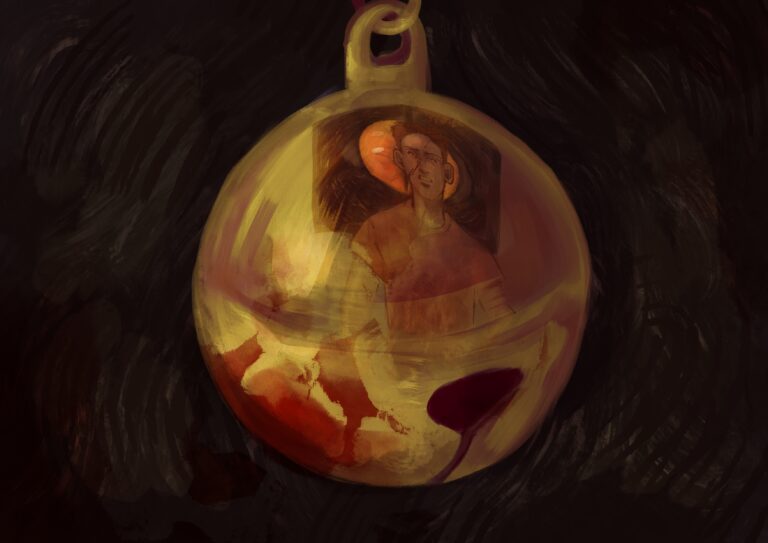
Lena and Simone were the only survivors; driven by abject despair, they prayed to their god for the power to destroy the invaders. They took revenge by slaughtering all the pirates, only to find themselves bound to a perpetual cycle of predation—taking lives to preserve their human façade. The hybrids function as biological manifestations of historical trauma. Their transformation was forced upon them, a response to the pirates’ violence—agents of colonial displacement. In shedding their humanity, they become feline predators who ultimately mirror the barbarity inflicted upon their people. Their immortality also acts as a curse of perpetual hunger, suggesting that the blood‑soaked history of Southern plantations can never be fully unmasked, solved, or silenced; it can only be fed. The trauma demands a continuous cycle of victims, as the past “feeds” on the present to ensure its own survival.
In a final Southern Gothic twist, the fearsome zombies come to the rescue, helping the Mystery Gang overpower the werecats. In many folk practices and spiritual traditions, spirits can be dualistic in nature; as the saying goes, “Not all haints mean evil”—some spirits are simply things not meant to be seen or known.* Daphne later realizes that the ghosts and zombies had been trying to guide, assist, and warn them all along. After the zombies and werecats crumble into dust, a lone ghost lingers just long enough to thank the gang for finally putting the lost souls to rest.
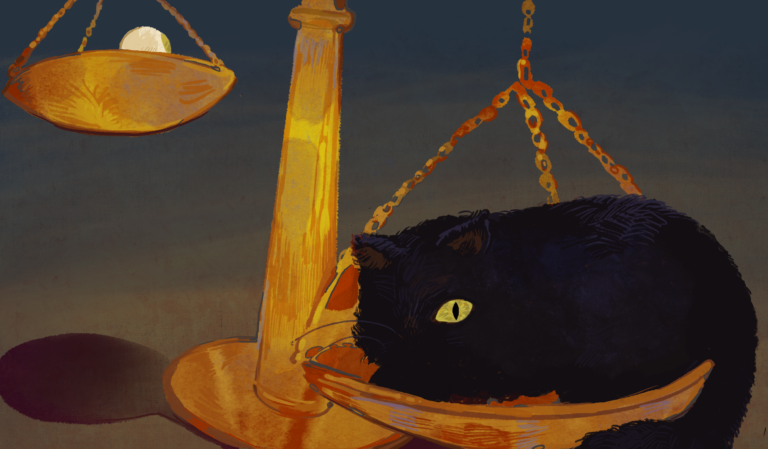
The moral ambiguity of the Southern Gothic narration is anchored in the supernatural: beings who are usually framed as embodiments of evil are, here, revealed to have been victims once. This creates a striking contrast between the film’s fantastic creatures. The binary pits Scooby-Doo—the domesticated Great Dane, Shaggy’s loyal companion, embodying warmth, modern companionship, and human-like fear—against the werecats: true predators, feline hybrids driven by revenge, tragic figures burdened by the weight of their past.
Ultimately, the enduring legacy and success of Scooby-Doo on Zombie Island within popular culture stems from its willingness to spill Gothic horror into the franchise’s beloved, “safe” mystery formula. By refusing to offer the comforting unmasking moment, the film validated the childhood fears of an entire generation, proving that even children’s animation could serve as a sophisticated vessel for exploring themes of historical trauma and moral decay. Zombie Island leaves us with a chilling truth: we can unmask the man, but we cannot always unmask the beast; some histories are too dark to be explained away.
*Editor’s Note: The term “haint” is a regional word from Southern and Gullah Geechee folklore referring to a ghost or restless spirit. The phrasing “Not all haints mean evil” reflects the belief that such spirits can be protective as well as dangerous, though it is not a documented proverb.