Next to Normal, the Pulitzer Prize–winning musical by Tom Kitt and Brian Yorkey, premiered on Broadway in 2008. A professional recording of the 2024 West End revival was recently released online. The Polish production, which I had the opportunity to see, debuted at Teatr Syrena in 2019.
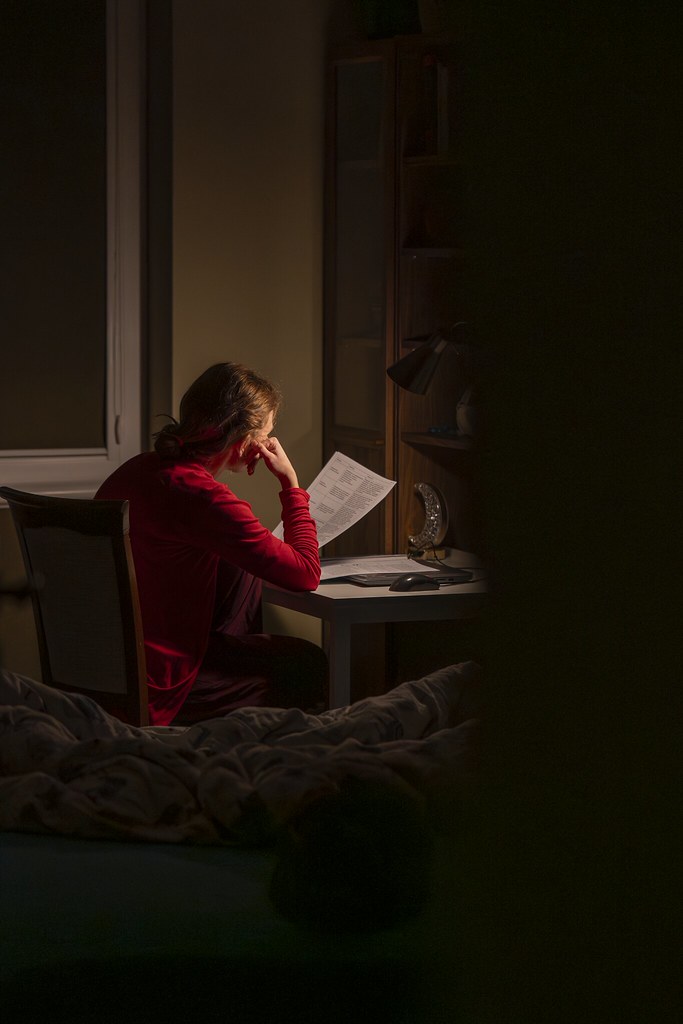
Next to Normal explores themes of mental illness, grief, and the ways these forces shape a family. At the beginning of the show, we meet the seemingly “perfect loving family”: Diana, a stay‑at‑home mother living with bipolar disorder; Dan, her husband, who dedicates himself to supporting her despite not fully understanding her condition; Gabe, their son, whose wellbeing is Diana’s constant worry; and Natalie, a highly anxious and rigid sixteen‑year‑old who is emotionally neglected by her parents. It is later revealed that Gabe has been dead for seventeen years, and the figure the audience sees is Diana’s hallucination. The musical examines this fractured family dynamic: Diana cannot let go of her son, Dan tries to “hold [his] house together” while ignoring his own grief, and Natalie struggles with her invisibility.
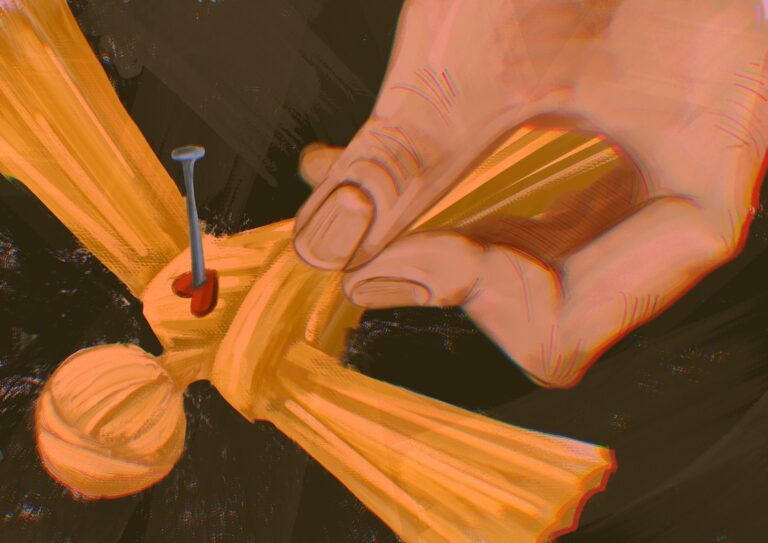
It is not my aim to judge whether the portrayal of bipolar disorder in Next to Normal is clinically accurate; the subject has sparked heated debate even among people living with the diagnosis. What I want to focus on instead is the tension between “madness” and mental illness. The show plays with this distinction, treating “madness” not only as an aspect of Diana’s condition but as a quality embedded in the family’s circumstances. Early in the musical, Dan poses what I consider its central question:
Who’s crazy to live their whole life
Believing that somehow things aren’t as bizarre as they are?
Who’s crazy? The one who can’t cope?
Or maybe, the one who’ll still hope?
He concludes with the line, “They say love is blind, but believe me, love is insane.” Dan, though never diagnosed with a mental illness, is the one who denies the existence of certain He prefers not to remember his son and, until the end of the musical, cannot bring himself to say Gabe’s name. He repeatedly emphasizes his role as the strong head of the family — the person who will solve every problem and fulfill what is expected of him as a husband and father. Admitting that he fails in these roles, and that some things cannot be fixed, is profoundly difficult for him.
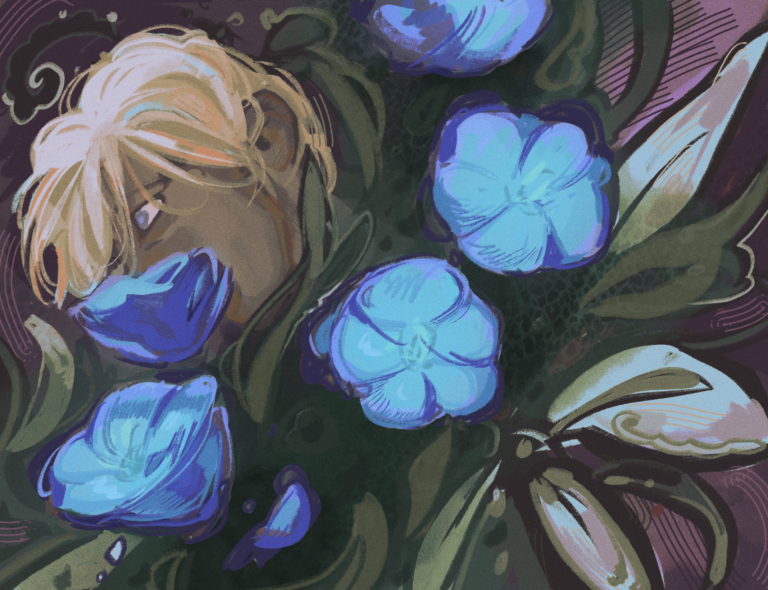
What is most striking is that Gabe is not merely Diana’s hallucination but a personification of grief. He functions more like a jester, a disruption – the embodiment of unprocessed grief and unresolved family tensions. Throughout the musical, he interacts with other characters, addresses them directly, and remains present even after Diana leaves the house. In the final moments, Dan is forced to confront the reality that he, too, lost his son and needs help.
I believe Next to Normal is a musical well worth seeing — whether online or, when possible, in the theater. Although the story depicts a highly specific situation, the show remains deeply relatable: the characters struggle to inhabit the roles expected of them within their family, and many viewers will recognize aspects of themselves in these dynamics. The musical also includes songs with broader resonance for anyone navigating mental health challenges, such as “You Don’t Know” or “My Psychopharmacologist and I.” I would recommend Next to Normal to audiences who appreciate musicals that depart from the classic optimistic formula and engage with darker, more complex themes.
Works Cited:
Next To Normal, starrying: Caissie Levy, Jamie Parker, Jack Davies; dir: Michael Longhurst, Austin Shaw, Apple TV 2025.